
Shark Conservation in Costa Rica
Studying sharks and rays from coastal nurseries to offshore seamounts.
Header photo: A ray aboard the research boat during the 2018 Guanacaste shark and ray census. Photo from the OFI field archive.
Along Costa Rica’s Pacific coast, Ocean First Institute and its partners have tagged juvenile hammerheads in Golfo Dulce, surveyed sharks and rays off Guanacaste, and used underwater cameras to document wildlife near Cocos Island and on offshore seamounts.
Golfo Dulce: Protecting a hammerhead nursery
OFI began working with Costa Rican nonprofit Misión Tiburón in 2015. During one day of fieldwork that year, the team tagged 22 juvenile scalloped hammerheads (Sphyrna lewini). Tagging and tracking helped Misión Tiburón identify Golfo Dulce as a nursery, where young sharks spend part of their early lives.
In 2017, the Disney Conservation Fund supported the partners’ research and education work. In May 2018, Costa Rica designated the Golfo Dulce Scalloped Hammerhead Shark Sanctuary to protect nursery habitat, including coastal wetlands and mangroves.
Read OFI’s 2015 tagging field report · Read about the Disney Conservation Fund grant · Explore the sanctuary with Misión Tiburón
Photo from the Golfo Dulce tagging report

Guanacaste: A census of sharks and rays
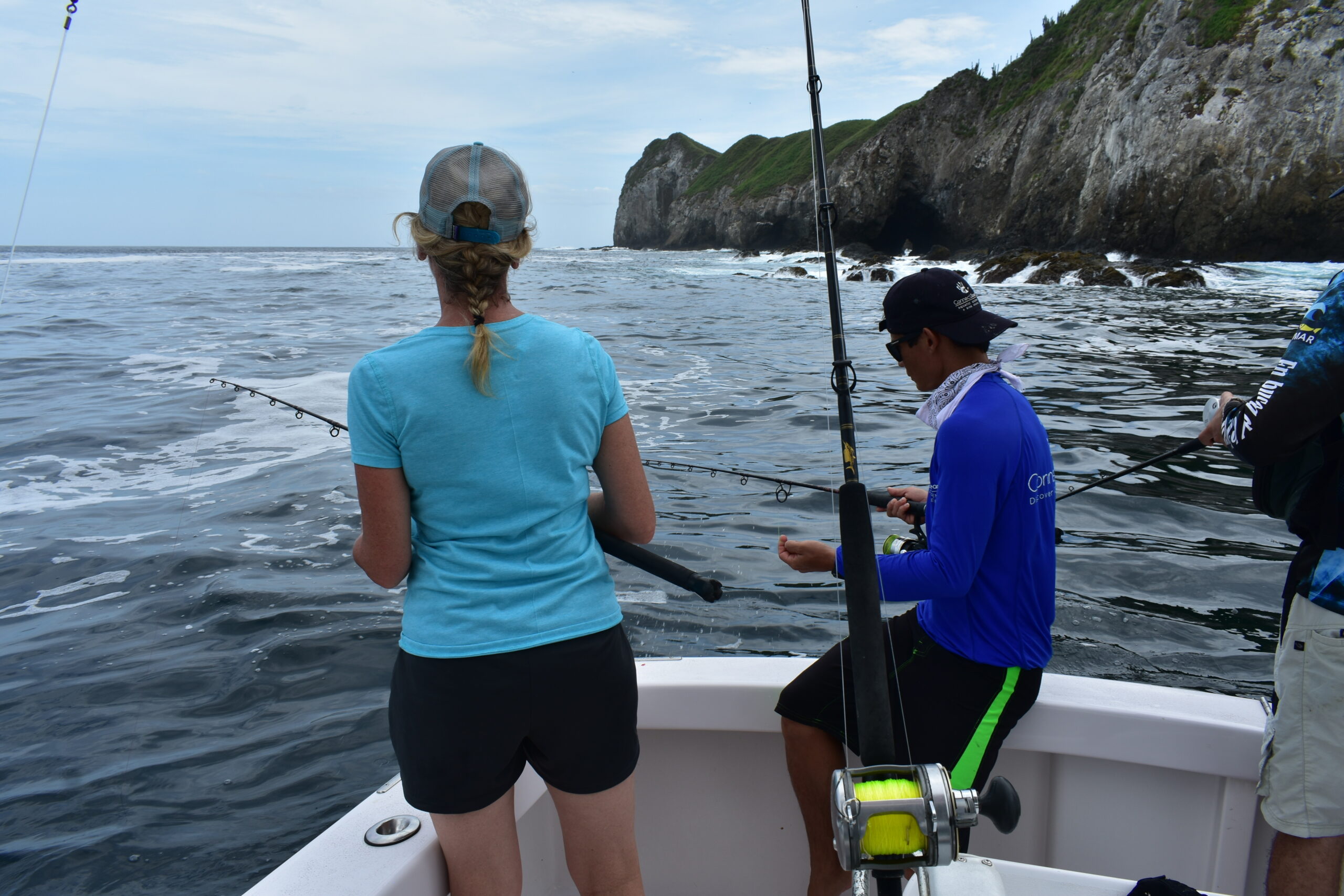
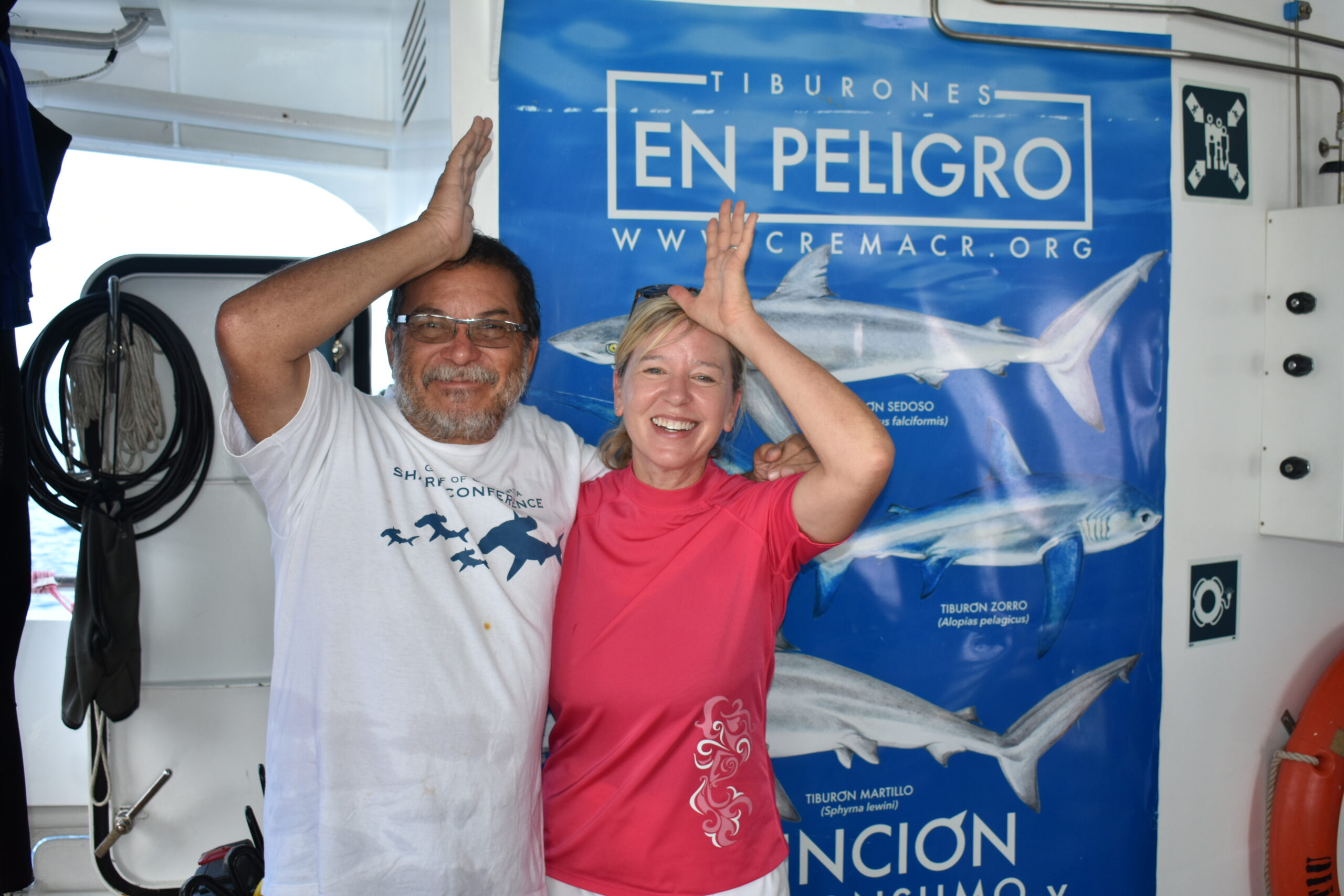
In 2018, the Sea of Change Foundation supported a marine census along the northwest coast, including the Catalina and Bat Islands. OFI worked with the University of Costa Rica’s marine research center (CIMAR) and local partner ConnectOcean to document which species use these waters and build a baseline for local management.
The team deployed acoustic receivers to listen for tagged animals and used baited remote underwater video systems (BRUVs) to record wildlife. An early set of eight camera deployments recorded rays and moray eels. The project also involved local divers in underwater surveys and trained them to estimate animal size using paired lasers and video.
Read about the Sea of Change Foundation grant and census
Photos from the 2018 Guanacaste census
2026 expedition: Cocos Island, Cocos Ridge and Isla del Caño
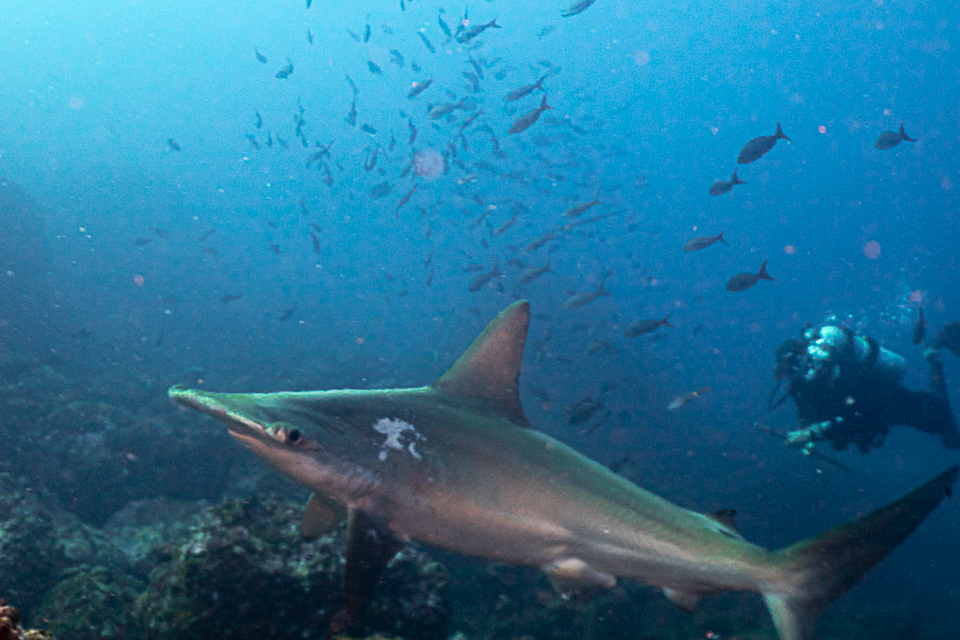
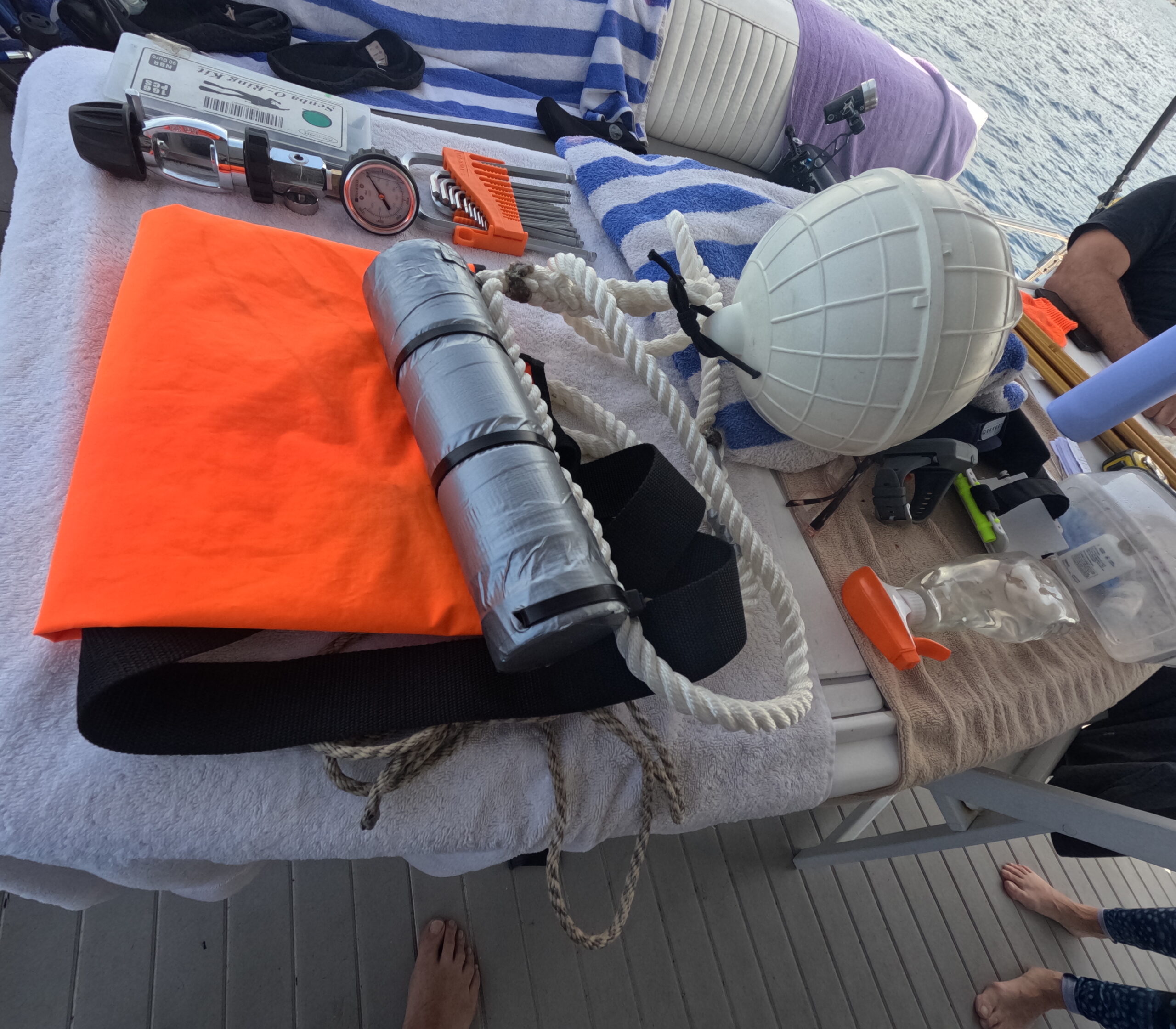
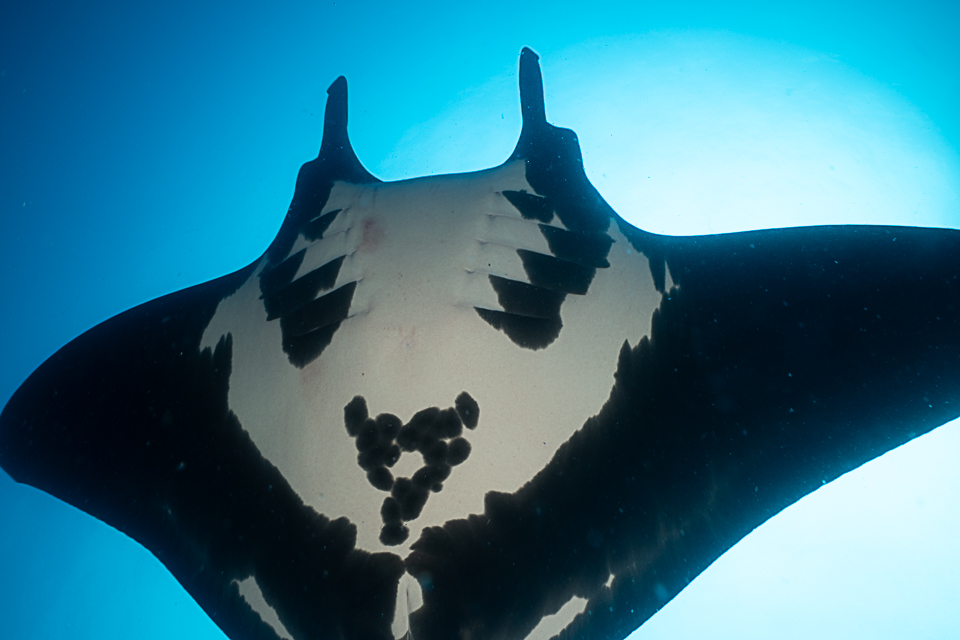
From January 26 to February 6, Dr. Mikki McComb-Kobza led an offshore camera survey. The team made 30 deployments, recorded 30 hours of footage, and identified seven species, including tiger, silky, Galápagos and silvertip sharks. Separate manta ray fieldwork included tagging three rays.
Read the Cocos Island expedition report and watch the manta ray footage
Photos from the 2026 offshore expedition
Related field education
In 2015, OFI partnered with Global Travel Alliance and the St. Vrain Valley School District to bring 17 students to Costa Rica for a field education trip from Monteverde to the Guanacaste coast. Read the Costa Rica youth expedition story.