Deep-Sea Research
Exploring remote waters, discovering marine life, and advancing knowledge that supports conservation.Photo: Dr. Paul Clerkin, Nansen expedition (2015)
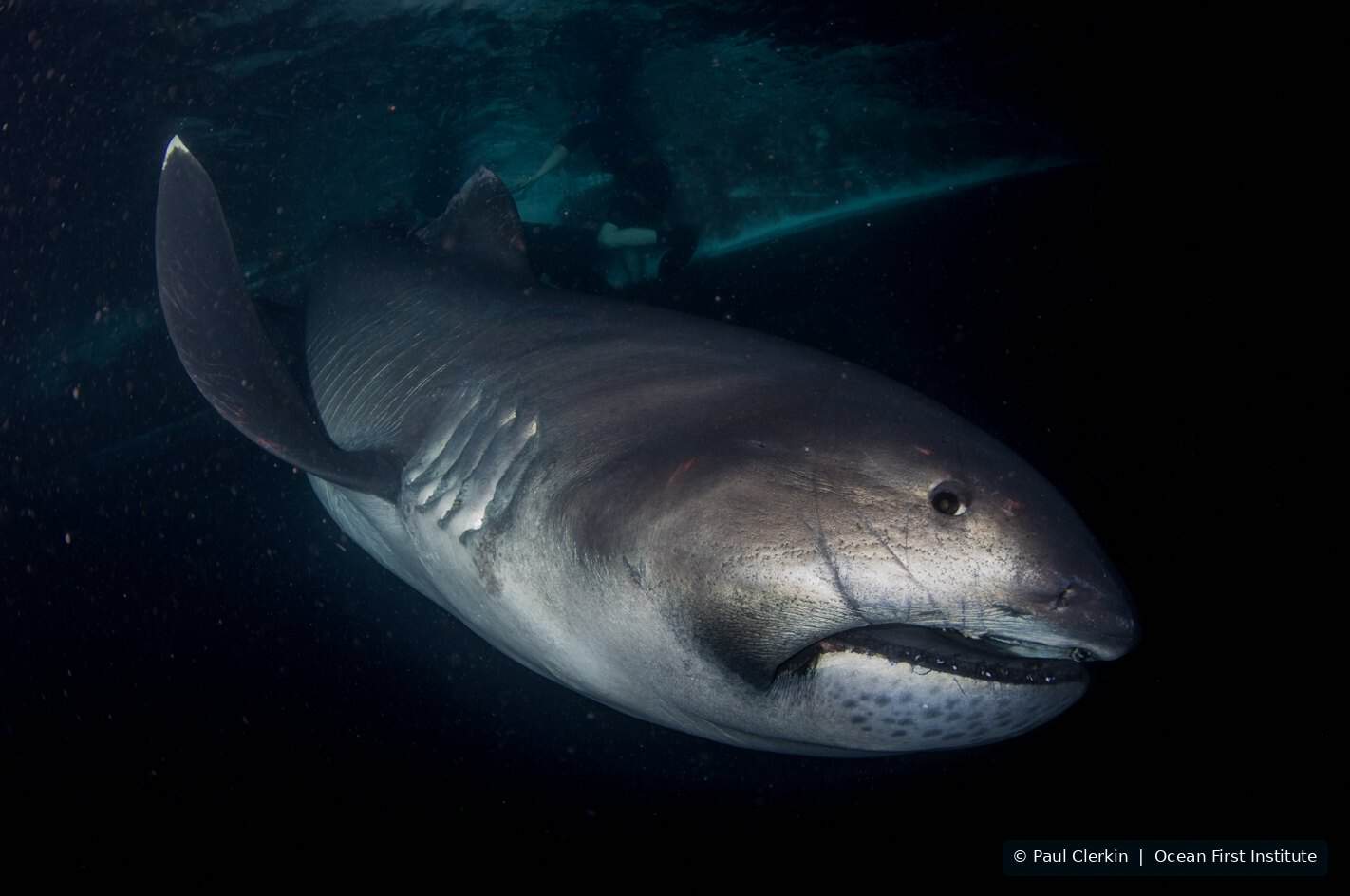
Live megamouth shark underwater. Photo: © Paul Clerkin / Ocean First Institute.
Exploring the ocean’s least-surveyed environments
Ocean First Institute’s deep-sea research, led by Dr. Paul Clerkin with international collaborators, explores some of the least-surveyed parts of the ocean. This work brings together deepwater exploration, taxonomy, molecular tools, and life-history research to document marine biodiversity and improve understanding of rare and poorly known species.
Megamouth shark footage
These short excerpts from field footage show a megamouth shark during an in-water encounter and close-range research observations. The videos are presented as web-optimized clips with persistent creator credit.
Megamouth encounter
Short excerpt from megamouth encounter and release footage. © Paul Clerkin / Ocean First Institute.
Close-range observations
Short excerpt from close-range megamouth research footage. © Paul Clerkin / Ocean First Institute.
Exploring the deep seafloor
Extreme deepwater cameras help the team explore remote seafloor environments and document marine life in places that have not been biologically surveyed. This short excerpt shows an animal moving through the camera’s field of view on the seafloor.
Deepwater camera footage: © Sorbonne Université & Muséum national d’Histoire naturelle. Footage by Louis Amand and Alexis Martin.
Research in the field
Vessel-based fieldwork brings together specialized camera equipment, sampling, and specimen examination. These photographs show Dr. Paul Clerkin and colleagues working with research equipment and deep-sea specimens.
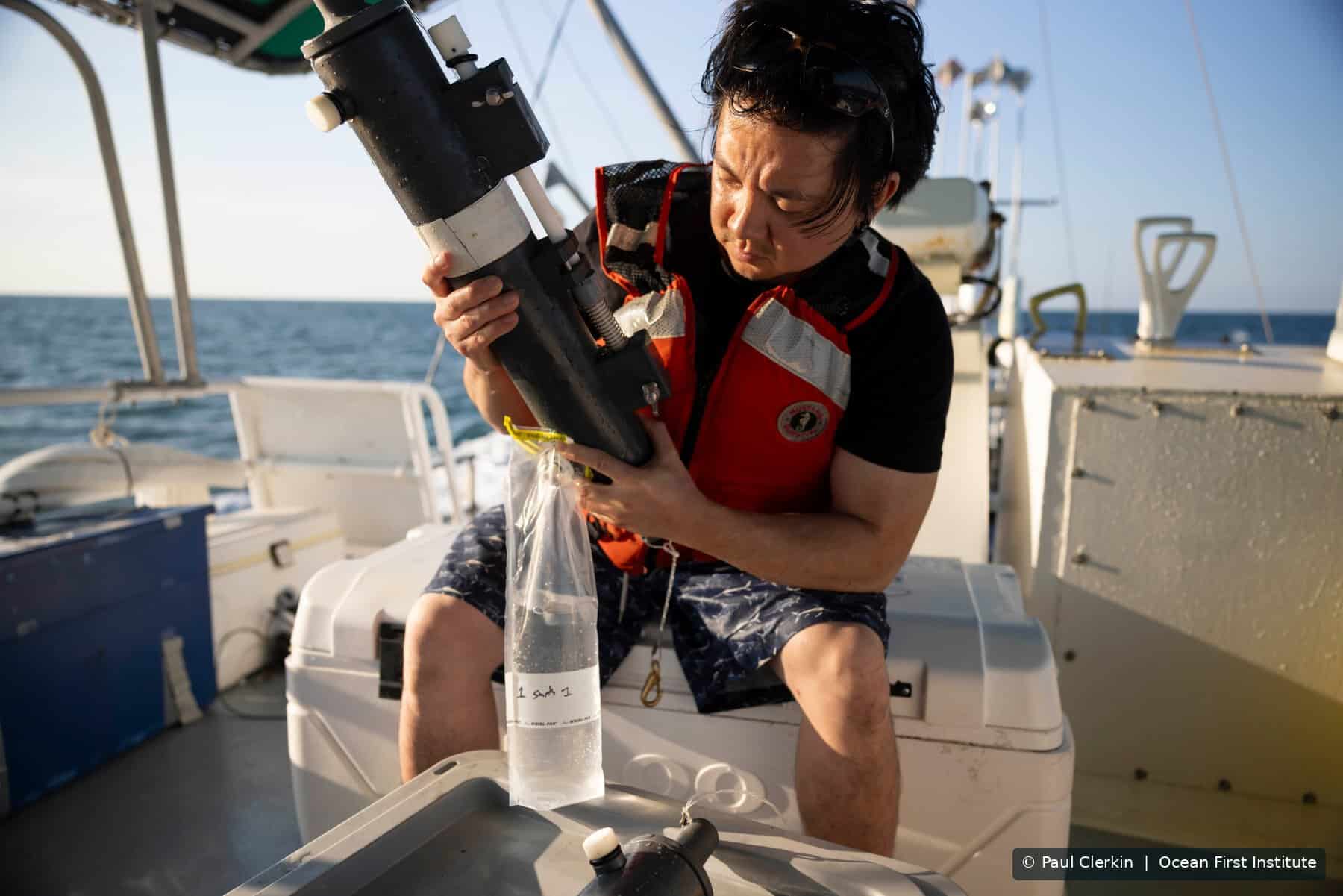
Field sampling at sea
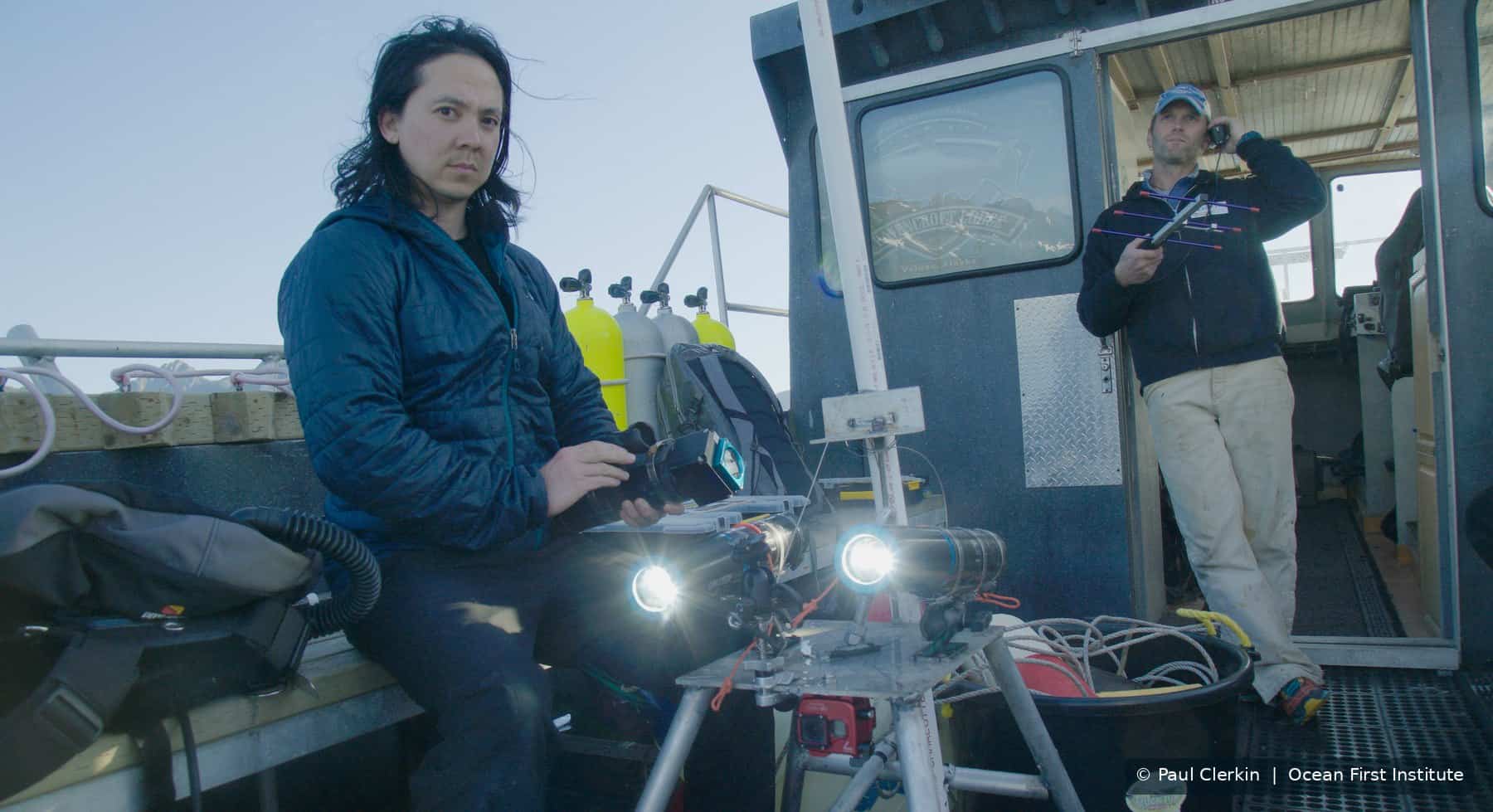
Deepwater camera equipment
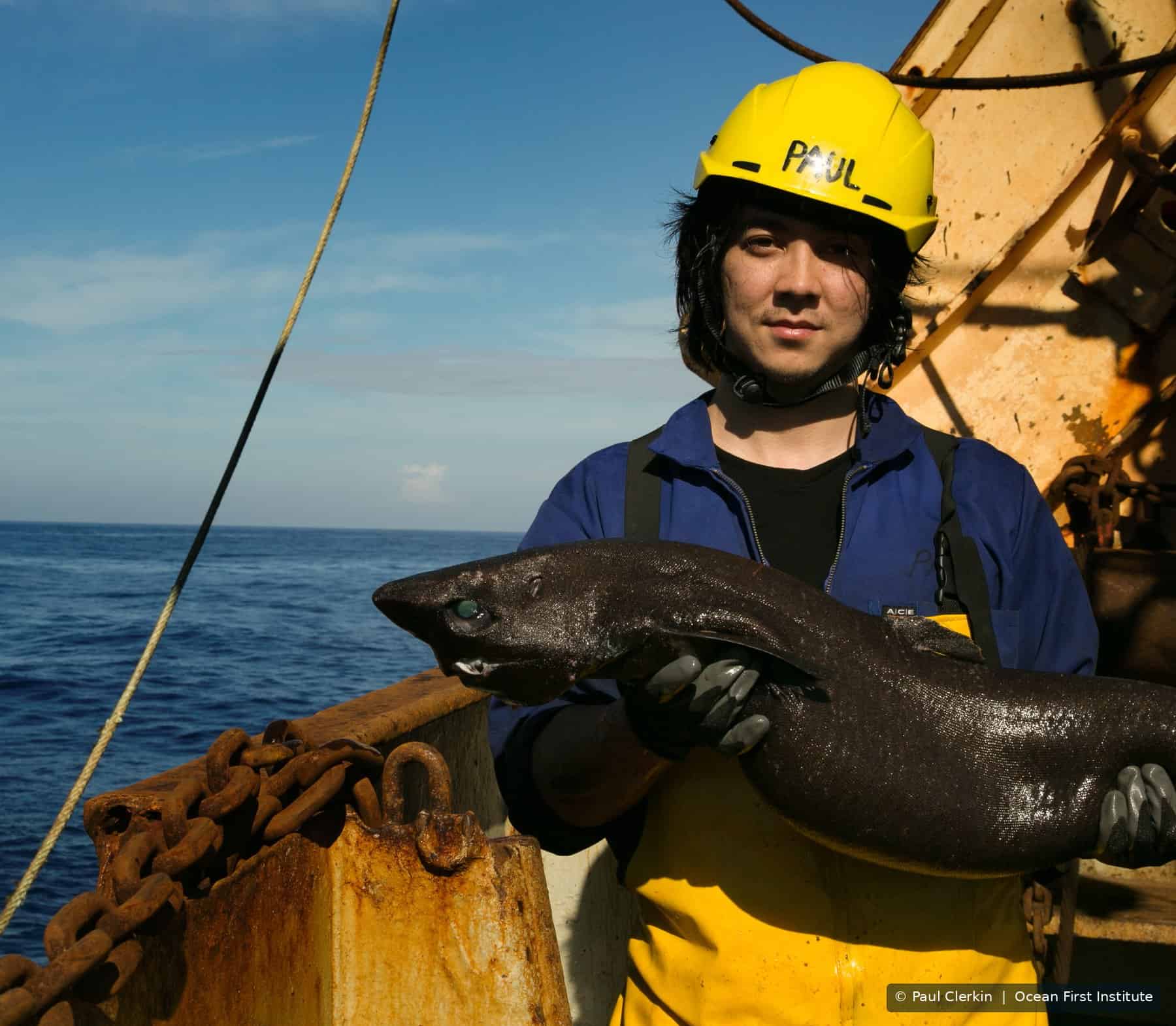
Deep-sea shark research
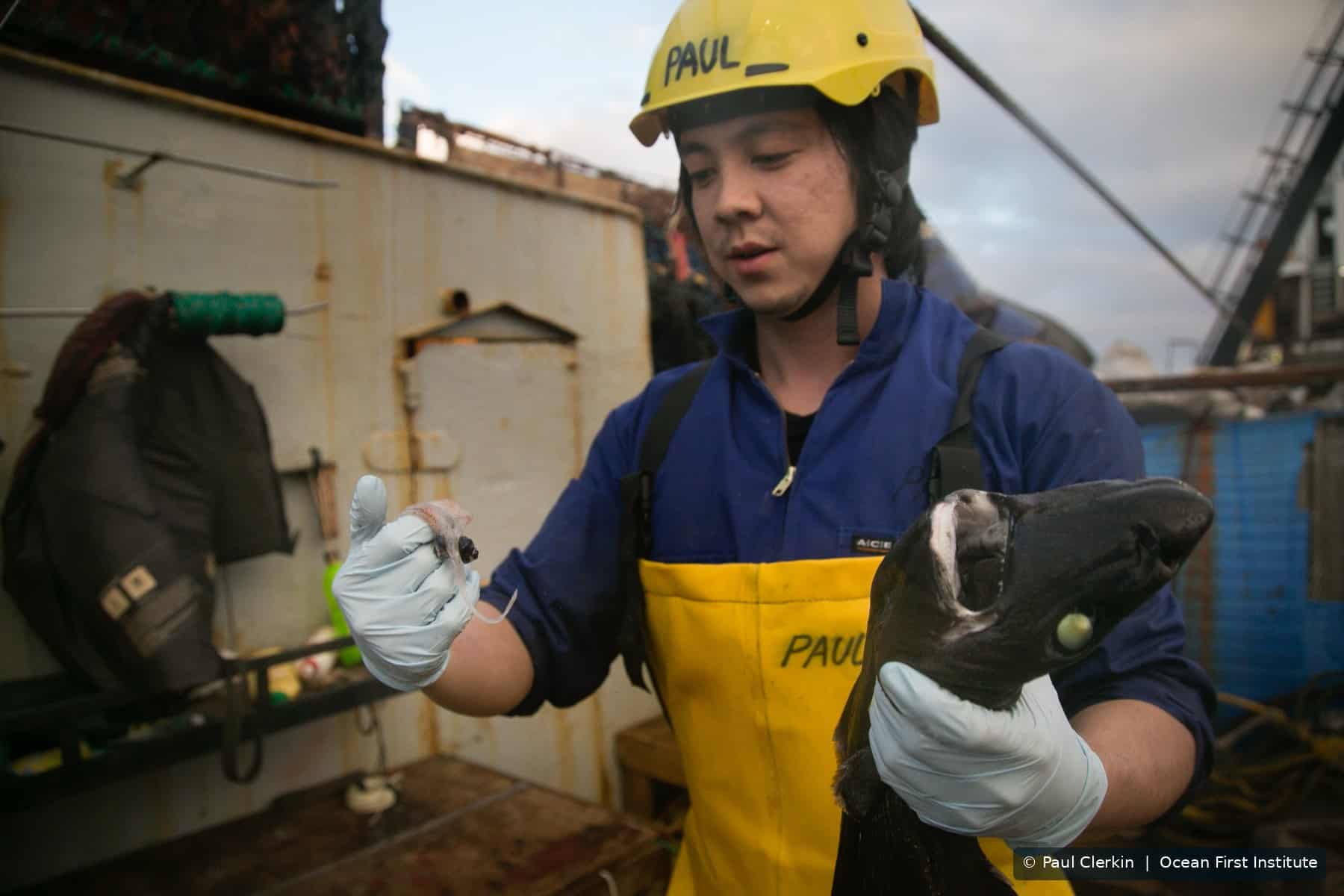
Specimen examination
Current research
Our deep-sea research relies on an array of disciplines to discover new species and better understand rare species. Our deepwater exploration has yielded many new species of sharks, bony fish, and invertebrates, and we are using extreme deepwater cameras and environmental DNA (eDNA) to study areas of the planet that have never been biologically surveyed before.
We have a collection of specimens that we are using for species descriptions, cyber-taxonomy, age and growth estimation, and other life history studies that will provide information needed to better manage and protect sharks. Our hope is to set up long-term projects with our international collaborators to better study our oceans, provide tools and resources for developing researchers, and protect marine animals and their environments.
Future directions
Our future projects include continuing our work tagging the large and mysterious Megamouth shark, exploring remote deepwater areas, and developing new methods and technologies to study marine life in the deep sea.
Much of this work is done in collaboration with local fishers, researchers, regional fishery management organizations, and international fisheries organizations like the Food and Agriculture Organization of the United Nations. This network allows us to contribute tools, science, and management information at different levels.
Research lead: Dr. Paul Clerkin
Research summary provided by Dr. Paul Clerkin. Photography and megamouth video: © Paul Clerkin / Ocean First Institute. Deepwater video: © Sorbonne Université & Muséum national d’Histoire naturelle; Louis Amand and Alexis Martin.
Explore More of Our Research
Discover more of the science and conservation work happening across Ocean First Institute.
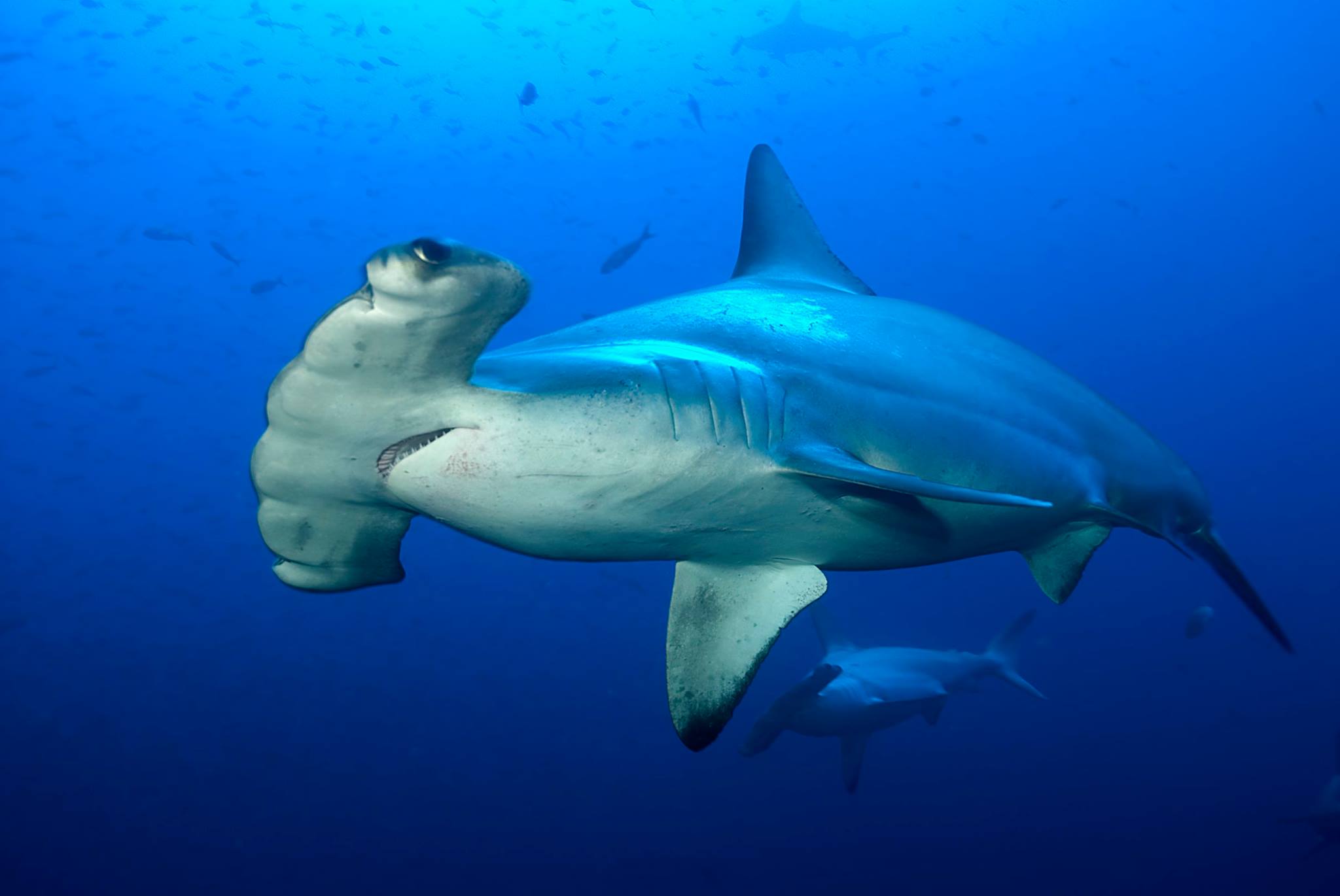
Florida Keys Shark Research
Researching sharks and supporting conservation in Florida waters.
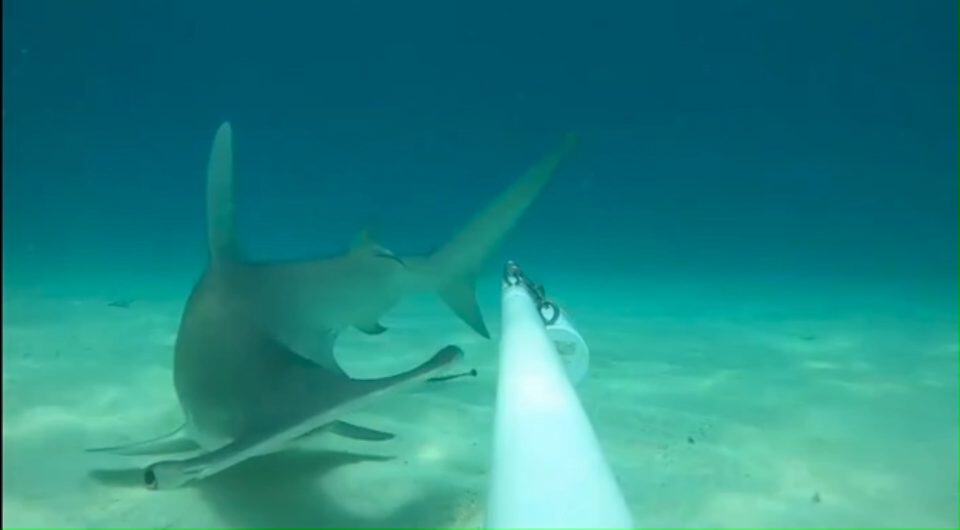
Shark Contaminants & Tissue Research
Understanding contaminants and what shark tissues can tell us.
Microplastics Research
Studying plastic pollution through field and laboratory research.